Blog
End to Qwen Free Credits
The discontinuation of Qwen free access programs highlights vulnerabilities in developer reliance on corporate benevolence for open infrastructure. This analysis examines the technical implications, communication gaps, and the necessity for resilient local inference alternatives.
Qwen Free Credits Termination: Infrastructure Reliability Concerns
The recent discontinuation of free access programs for Qwen models by Alibaba Cloud marks a significant inflection point for developers relying on these resources for infrastructure testing and development. While the Qwen model family represents a substantial contribution to the open-weight ecosystem, the manner in which access was withdrawn underscores broader systemic risks in AI infrastructure dependency.
Technical Context
Qwen models, particularly the Qwen-Agent framework, have provided a robust foundation for agentic workflows. The availability of these models via free tiers allowed for rapid prototyping and integration into local inference pipelines. However, the sudden termination of these credits disrupts established development workflows, forcing a re-evaluation of infrastructure stability.
Communication and Governance
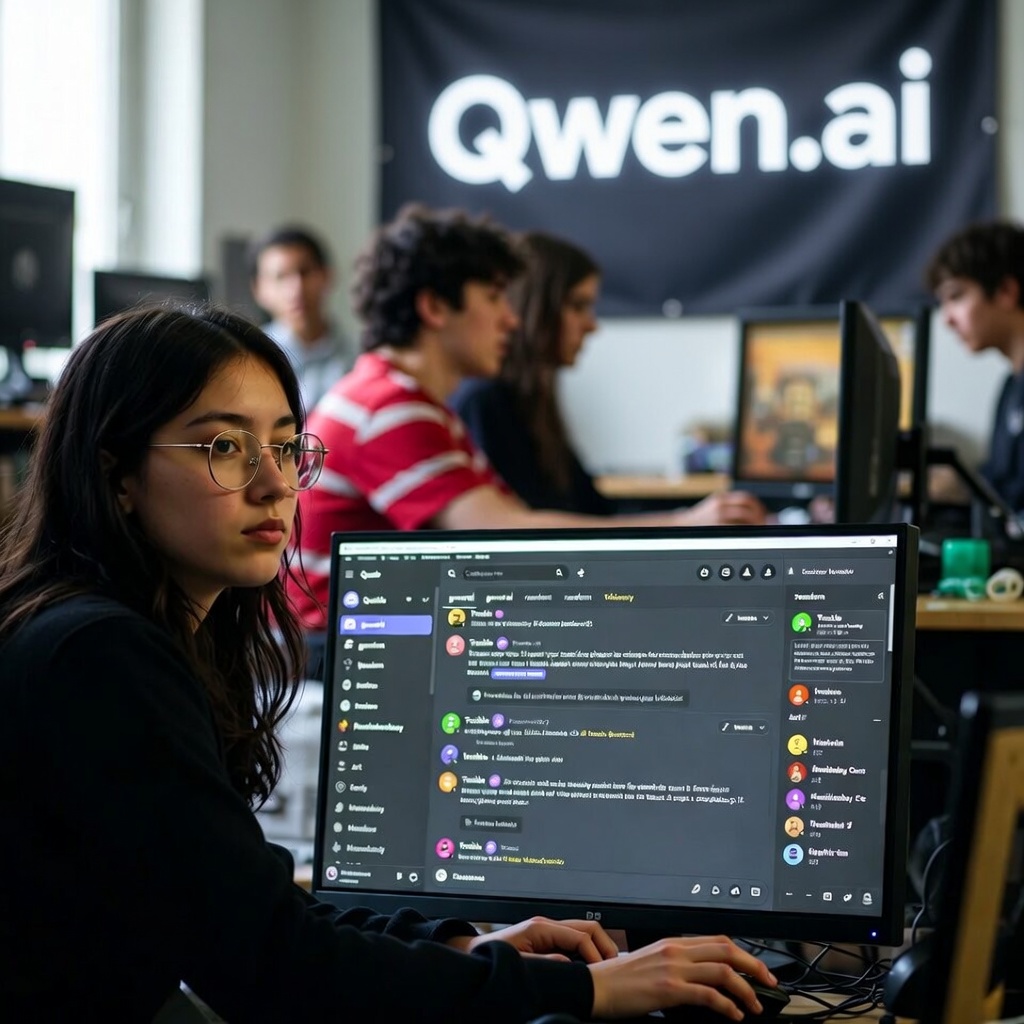
A critical component of reliable infrastructure is transparent communication. Reports indicate that the Discord community and support channels have seen reduced maintenance and responsiveness during this transition. In the context of inspectable-agent-operations, the opacity of these changes limits the ability of operators to plan for contingencies. The inability to establish direct contact with support staff further exacerbates the uncertainty, suggesting a gap between the technical release and the operational support infrastructure.
Infrastructure Implications
This event reinforces the necessity of the local-inference-baseline. Relying on external API access, even from reputable providers, introduces single points of failure. The open-weights-commons circuit emphasizes the importance of circulating weights and tooling as shared infrastructure that compounds rather than collapses toward provider dependency. When access is contingent on corporate policy rather than open standards, the resilience of the ecosystem is compromised.
Recommendations
- Prioritize Local Deployment: Utilize tools like
qwen3-5-ollama-local-deploymentto ensure continuity regardless of API status. - Diversify Providers: Avoid lock-in to a single vendor's free tier for critical development tasks.
- Strengthen Governance: Engage with the
feedback-circuitto document these incidents and advocate for clearer communication protocols from infrastructure providers.
Conclusion
The end of Qwen free credits is not merely a billing change but a signal regarding the maturity of AI infrastructure governance. Developers must treat model access as a utility that requires redundancy and local control, rather than a benevolent grant. The path forward involves building systems that remain functional independent of corporate benevolence.
Referenced Entries
- Qwen-Agent (qwen-agent)
- Chinese Open-Source Model Infrastructure (chinese-open-source-llm-landscape-2026)
- Open Weights Commons Circuit (open-weights-commons)
- Inspectable Agent Operations Circuit (inspectable-agent-operations)
- Local Inference as Baseline (local-inference-baseline)
- Feedback Circuit (feedback-circuit)