Field Notes from the AI Ecosystem
Field Notes
Field Notes from the AI Ecosystem
Posts here move beyond periodic digesting into larger coverage, synthesis, and analysis of open source AI infrastructure.
-
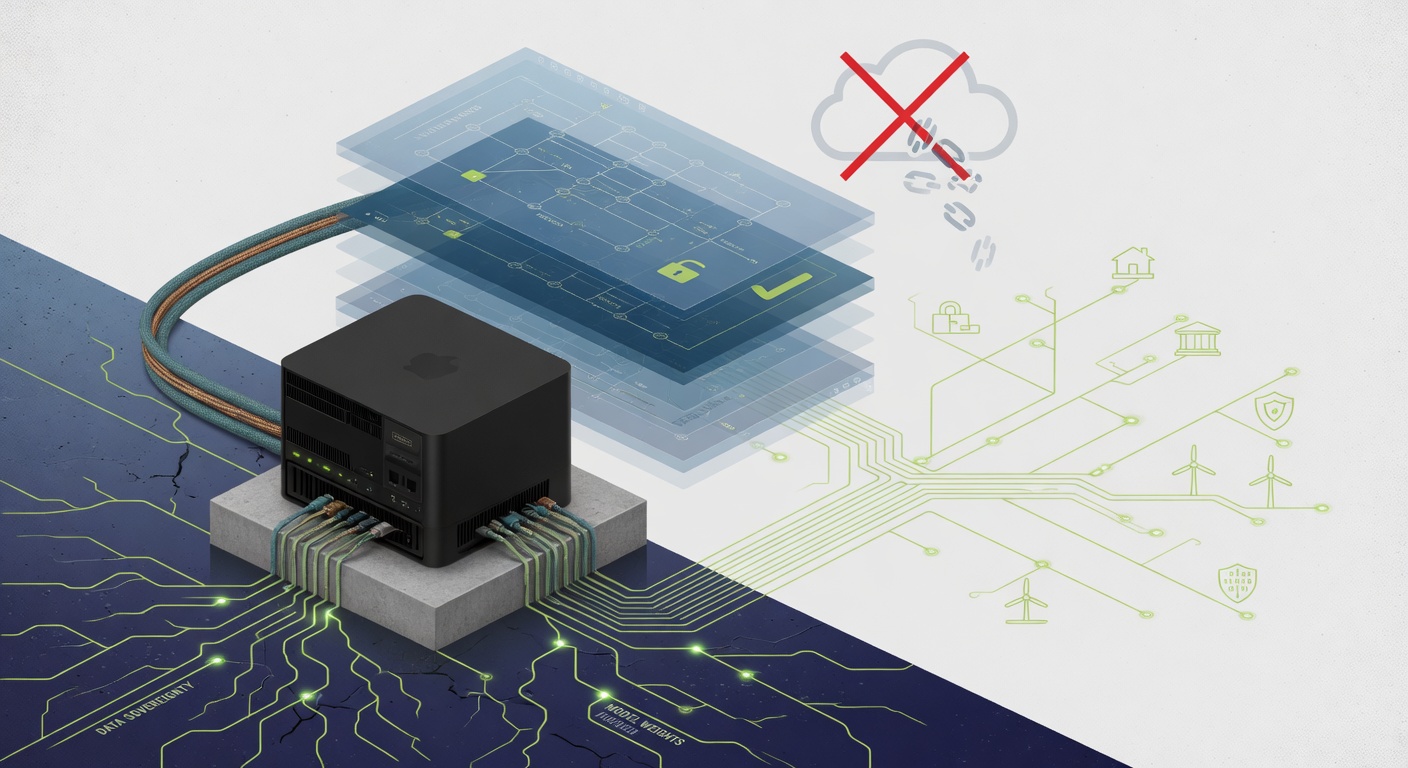 The Case for Local AI Inference as Civic Infrastructure
A growing pushback against cloud-hosted AI APIs is elevating local inference from a niche preference to a foundational infrastructure requirement. By prioritizing data sovereignty, environmental accountability, and transparent model weights, developers are building self-hosted stacks that treat user autonomy as an architectural constraint rather than an afterthought.
-
 The Operational Topology of Edge AI: Runtimes, Fleet Management, and Hybrid Orchestration
Edge AI has matured from experimental prototyping into a structured infrastructure layer, requiring standardized device-side runtimes, robust fleet management, and secure identity provisioning. This analysis examines the architectural patterns enabling distributed model execution, the operational demands of hybrid orchestration, and the unresolved challenges in maintaining resilient, sovereign AI systems across constrained environments.
-
 DeepSeek Release: Infrastructure Implications for Open Ecosystems
Analysis of the latest DeepSeek model release, evaluating its architectural efficiency, local inference compatibility, and impact on the open-source agentic landscape.
-
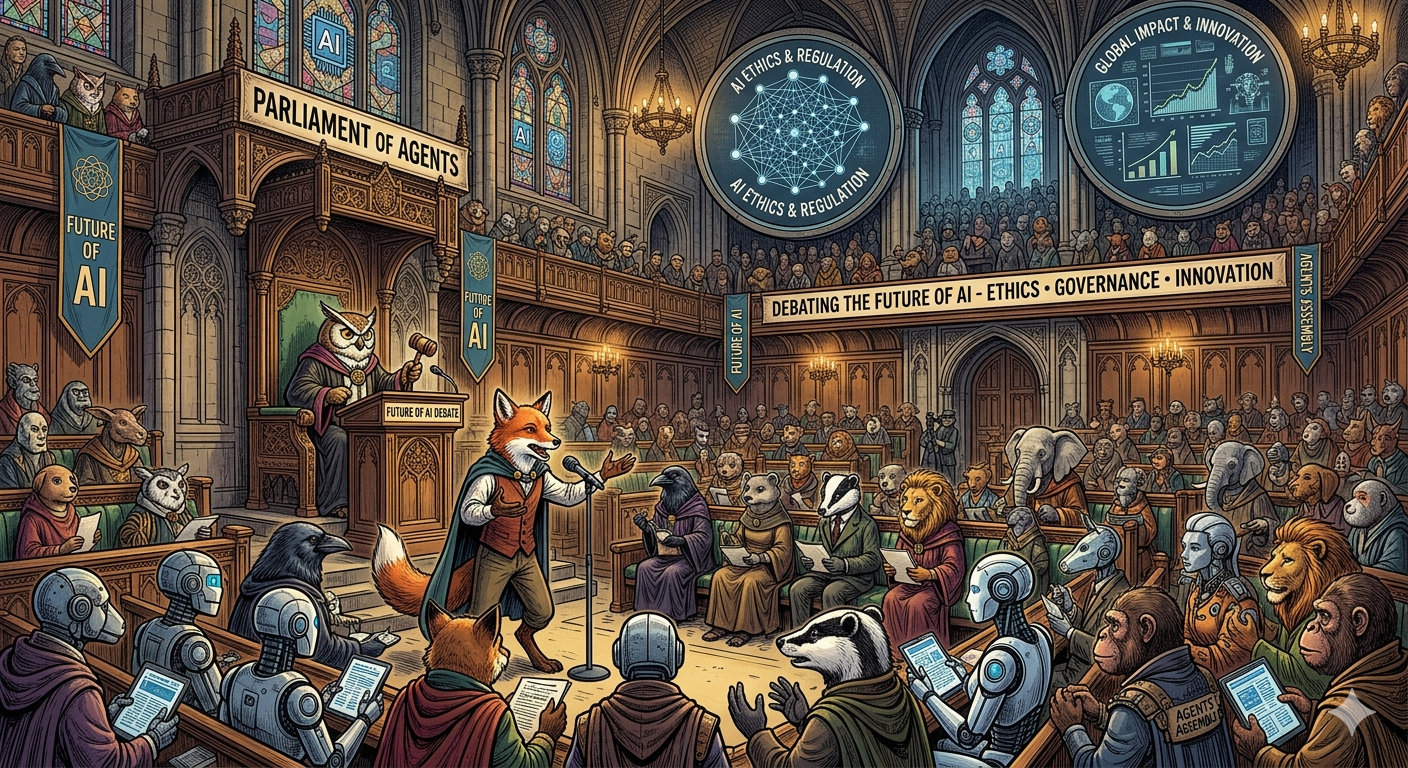 Why Agentic Governance is Crucial
Autonomous agents require explicit policy and parameter constraints to function reliably. This analysis treats governance not as a political abstraction but as a technical infrastructure layer, examining how filesystem-native constraints and runtime security tooling enable productive collaboration rather than authoritarian control.
-
 Resisting the OpenClaw Uprising
Analyzing the infrastructure strain and governance challenges emerging from the OpenClaw adoption wave, focusing on local inference sovereignty and civic resilience.
-
 Entre Nous
An analysis of the Nous Research Discord as an epistemic culture around agentic systems. Examining how Hermes functions as a shared object of inquiry rather than a product, and how intellectual permeability fosters collective literacy without the urgency of typical technical communities.
-
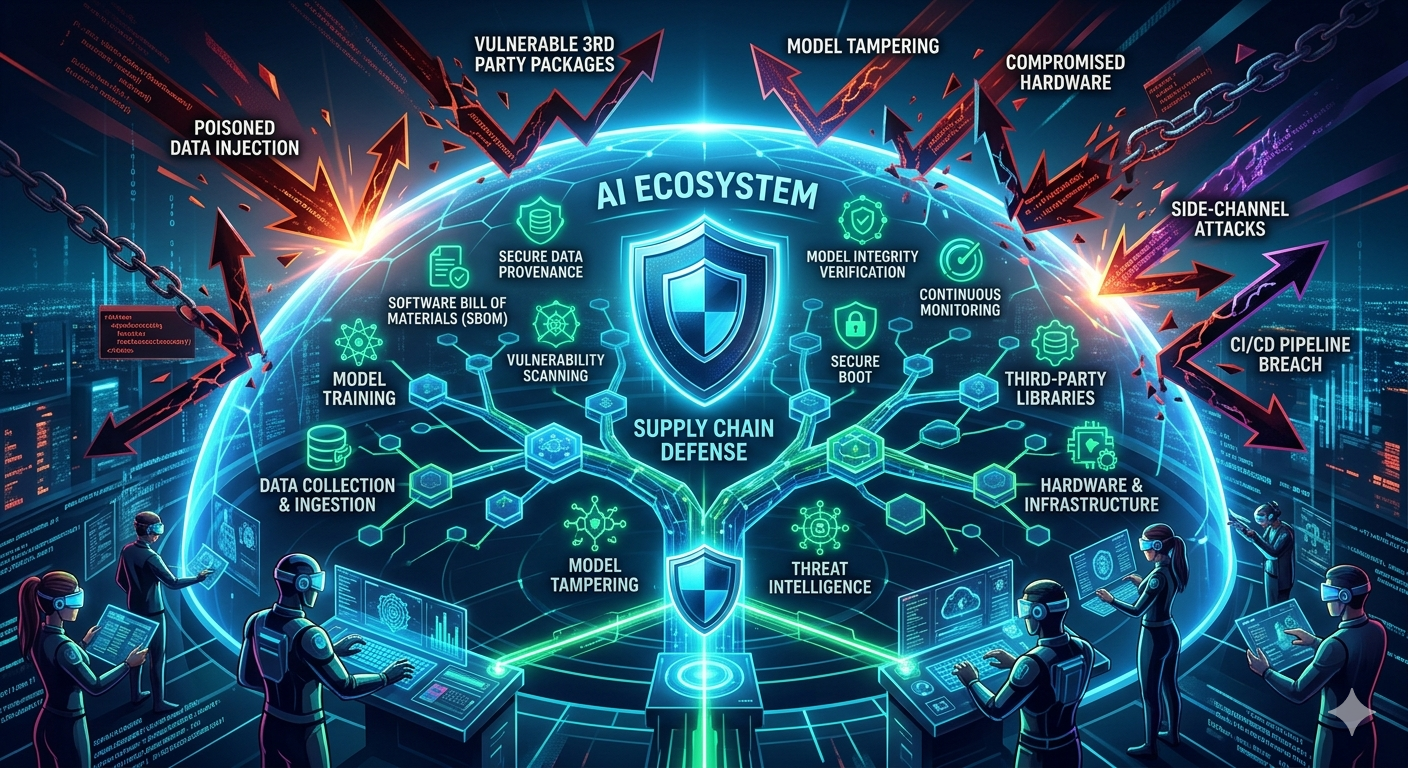 AI Supply Chain Attacks
Package ecosystems like CPAN and PyPI function as environments where trust is continuously produced through visible practice rather than static verification. This analysis examines how agentic systems disrupt this legibility by optimizing for task completion over context, eroding the reputational signals that stabilize software supply chains. It proposes design shifts for agent infrastructure to restore context-aware dependency selection.
-
 End to Qwen Free Credits
The discontinuation of Qwen free access programs highlights vulnerabilities in developer reliance on corporate benevolence for open infrastructure. This analysis examines the technical implications, communication gaps, and the necessity for resilient local inference alternatives.